

18 min read


Mid-market companies evaluating Acumatica are rarely comparing it to just one type of system. Many are moving off QuickBooks, Sage 300 CRE, or legacy on-premise platforms while also considering cloud-native ERPs like NetSuite, construction-specific tools like Viewpoint Vista, or operational platforms like Dynamics 365 Business Central.
Acumatica enters these evaluations as a flexible, cloud-based ERP solution with unlimited users, resource-based pricing, and industry editions built for construction, distribution, and manufacturing. This guide organizes the most important comparisons, explains where Acumatica fits, and links to in-depth resources that help buyers narrow their shortlist and plan a practical evaluation.
This guide covers:
-
How Acumatica compares to other ERPs in finance, construction, manufacturing, and distribution use cases.
-
Which competitor systems does Acumatica most often replace, and why do buyers move from legacy platforms?
-
Key differences in licensing, deployment options, and industry depth that drive real-world selection decisions.
-
How to use these comparisons to narrow your shortlist and plan a practical evaluation.
TL;DR: Where Acumatica Makes the Strongest Case
-
Acumatica vs NetSuite: Similar cloud ERP tier; Acumatica's resource-based pricing and unlimited users differ from NetSuite's per-user model.
-
Against legacy construction ERPs: Acumatica offers modern cloud UX and integrated financial, project, and field workflows.
-
Against QuickBooks: Acumatica adds multi-entity, inventory, project accounting, and role-based, unlimited user access without per-seat fees.
-
Against Sage Intacct: Acumatica extends deeper into operational modules for distribution, manufacturing, and construction project management.
-
Against Epicor and SAP Business One: Acumatica emphasizes deployment flexibility, cloud-native evolution, and lower total cost of ownership.
-
Tools like Procore complement Acumatica: They are project platforms, not full business ERPs with financial consolidation.
-
For manufacturers and distributors: Acumatica competes with NetSuite, Infor, and Dynamics 365 on inventory, production, and supply chain depth.
Why Growing Businesses Compare Acumatica With Other ERP Systems
Growing businesses compare Acumatica with other ERP systems when accounting, inventory management, project management, reporting, and operational workflows no longer fit cleanly inside disconnected tools. A company may start with QuickBooks, Excel, separate warehouse software, construction project management tools, or a legacy ERP. Over time, those systems can limit reporting, create duplicate data entry, and make it difficult to unify teams around one version of the truth.
Acumatica cloud ERP is often evaluated because it combines cloud ERP modernization with a resource-based licensing model, unlimited users, personalization, third-party integrations, and industry-specific editions. For companies in construction, manufacturing, distribution, retail, and professional services, the question is usually not just whether Acumatica has enough ERP functionality. It is whether Acumatica offers the right balance of deployment flexibility, cost of ownership, implementation complexity, real-time analytics, and long-term scalability.
Read Next: Thinking About Switching to Acumatica Cloud ERP in 2026?
Financial & Mid-Market ERP Systems Compared With Acumatica
This section covers general ERP modernization, accounting-led platforms, and mid-market ERP comparisons. Buyers in this category are typically replacing QuickBooks, upgrading from legacy systems like Dynamics GP or SAP Business One, or evaluating cloud-native ERPs like NetSuite and Sage Intacct.
Acumatica vs NetSuite
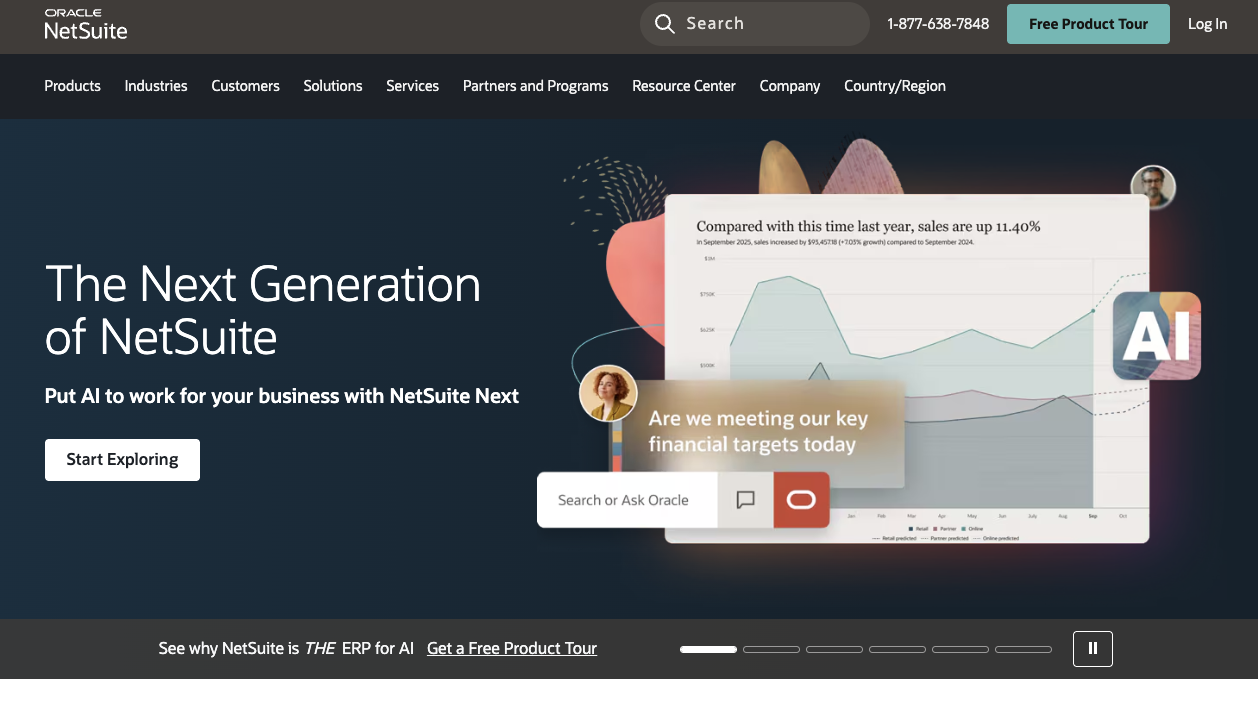
NetSuite and Acumatica often appear on the same ERP comparison shortlist because both serve growing businesses looking for a cloud-based ERP. NetSuite provides a mature cloud ERP suite backed by Oracle, with strong financial management, multi-entity support, consolidation, analytics, and a broad ecosystem for companies that want a comprehensive ERP platform.
Acumatica stands out for its resource-based pricing, unlimited users, flexible deployment options, and industry editions. For buyers comparing Acumatica vs NetSuite, the decision often comes down to user access needs, implementation partner fit, customization preferences, cost of ownership, and how each platform supports the company’s operating model.
-
Primary Capabilities: Financial management, inventory, order management, reporting, CRM, projects, and multi-entity operations.
-
Rollout Considerations: NetSuite implementations can be powerful but require careful scope control and partner alignment.
-
Growth Fit: Both can support mid-sized and scaling organizations with multi-location or multi-entity needs.
-
Best Match: NetSuite for companies standardizing on Oracle NetSuite, Acumatica for flexible access and industry fit.
Read next: Top 14 NetSuite Competitors Compared
Acumatica vs Sage Intacct
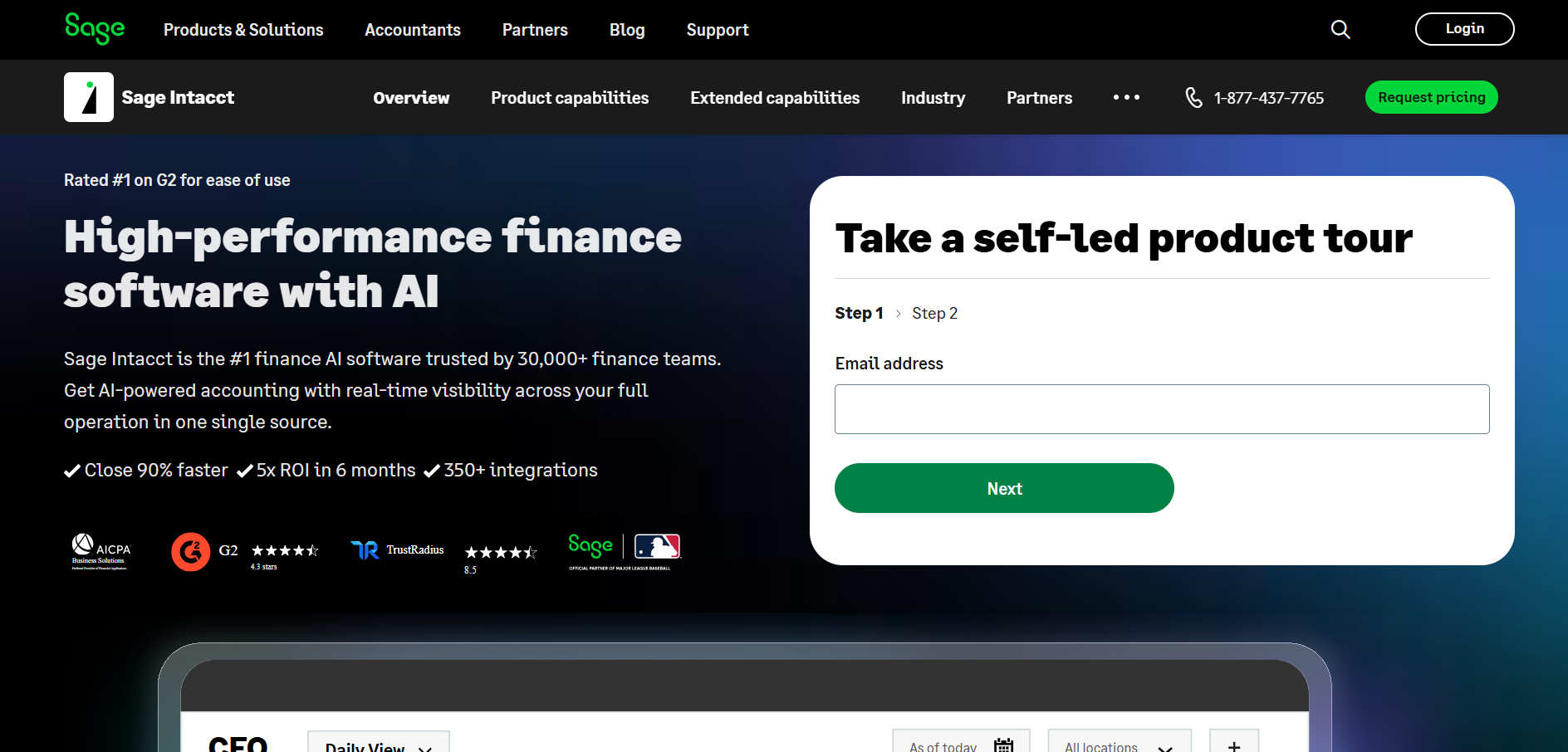
Sage Intacct provides strong cloud financial management for organizations that prioritize accounting, reporting, consolidation, and finance-led control. It is commonly evaluated by professional services firms, nonprofits, SaaS companies, and organizations that need stronger financial visibility than entry-level accounting software can provide.
Acumatica offers broader operational ERP functionality beyond finance, especially when companies need inventory management, order management, project accounting, manufacturing, field service, distribution, or construction workflows. Sage Intacct provides a strong finance-first option, while Acumatica often fits buyers who want accounting and operations in one cloud-based ERP solution.
-
Primary Capabilities: Sage Intacct focuses on accounting and reporting, while Acumatica adds broader operational modules.
-
Rollout Considerations: Sage Intacct may be simpler for finance-led rollouts with fewer operational requirements.
-
Growth Fit: Acumatica may fit better when inventory, projects, manufacturing, or distribution become central.
-
Best Match: Sage Intacct for cloud financial management, Acumatica for broader operational ERP functionality.
Acumatica vs SAP Business One
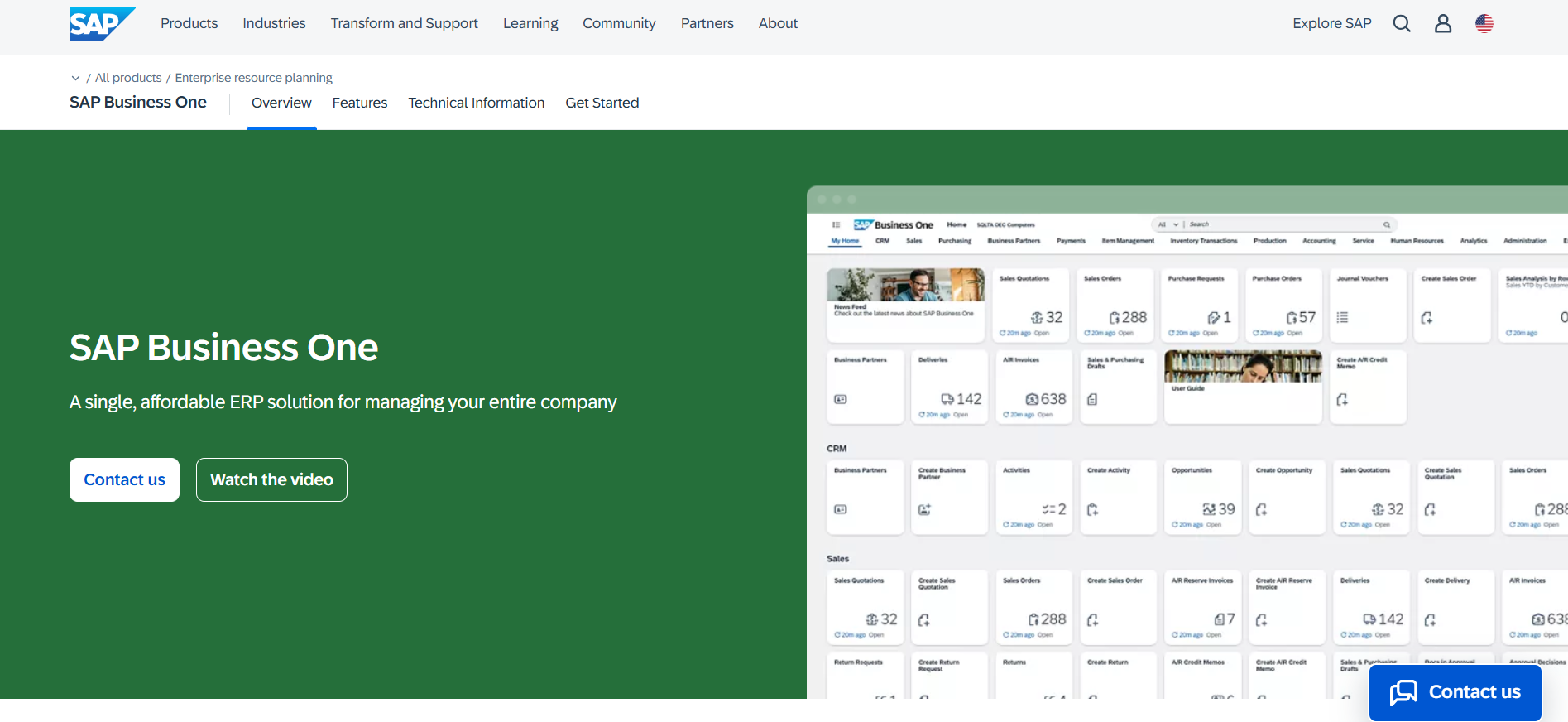
SAP Business One is designed for small and mid-sized businesses that want ERP functionality connected to the SAP ecosystem. It can support accounting, inventory, purchasing, sales, and operational processes for companies that want an established ERP solution with SAP behind it.
Acumatica is often compared against SAP Business One when buyers want cloud and on-premise flexibility, a more modern user experience, consumption-based pricing, and easier access for more employees. SAP Business One may appeal to companies with SAP preferences, while Acumatica often fits teams looking for flexible deployment, industry-specific workflows, and a cloud-native evolution path.
-
Primary Capabilities: Finance, inventory, purchasing, sales, operations, reporting, and business process management.
-
Rollout Considerations: SAP Business One projects require clear requirements and careful partner selection.
-
Growth Fit: Both fit growing companies, but Acumatica may offer more flexible user access.
-
Best Match: SAP Business One for SAP-aligned SMBs, Acumatica for flexible cloud ERP adoption.
Read next: NetSuite vs SAP Business One
Acumatica vs QuickBooks
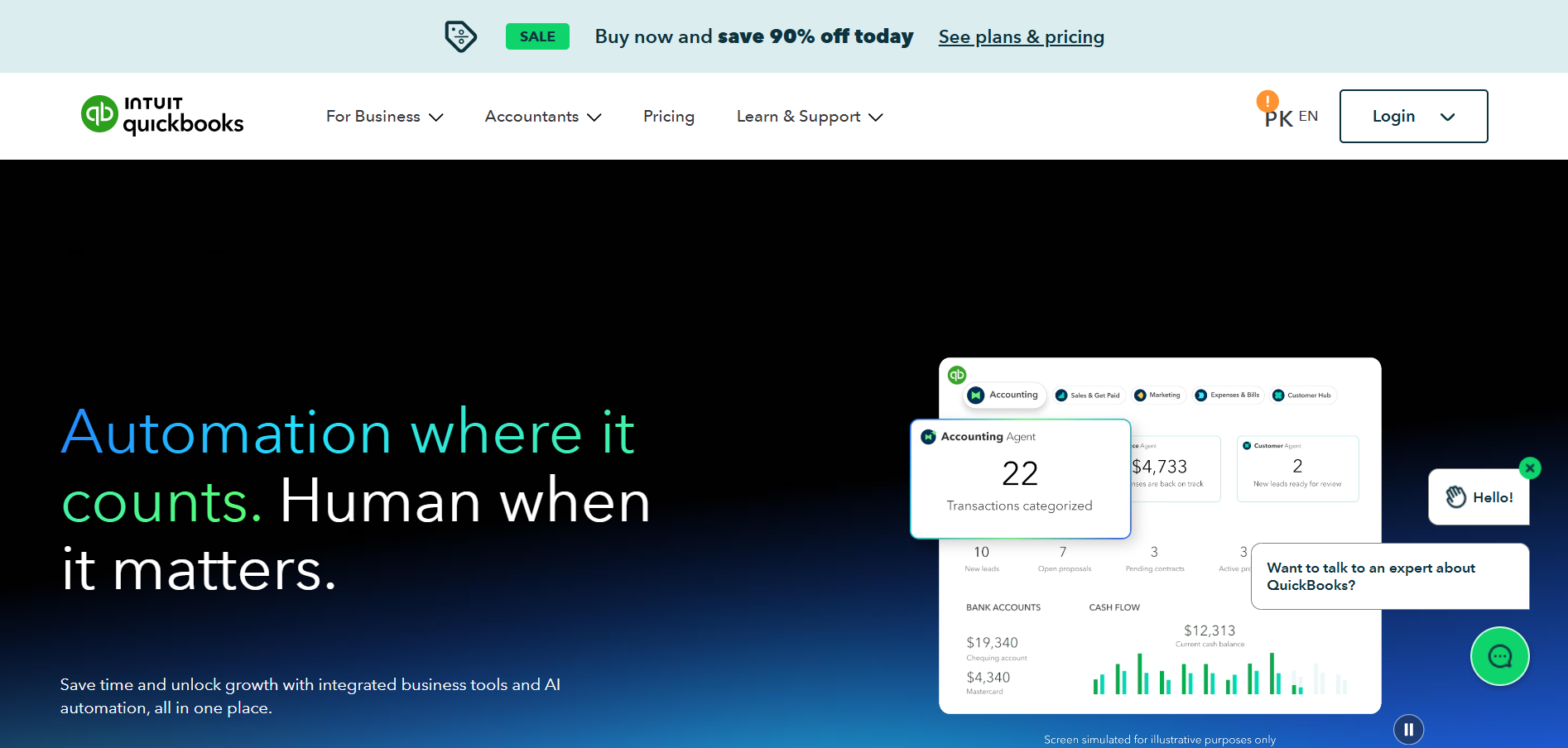
QuickBooks is a common first accounting system for small businesses because it is accessible, familiar, and practical for basic bookkeeping. It works well when financial processes are straightforward, and the business does not need deep inventory, multi-entity consolidation, role-based workflows, or full ERP functionality.
Acumatica becomes relevant when companies are outgrowing QuickBooks and need real-time visibility across accounting, inventory management, projects, purchasing, order management, and reporting. The move from QuickBooks to Acumatica is usually less about replacing accounting alone and more about moving from disconnected tools to an integrated ERP system.
-
Primary Capabilities: QuickBooks handles basic accounting, while Acumatica adds full ERP and operational management.
-
Rollout Considerations: Data cleanup, chart of accounts design, and workflow mapping are important migration steps.
-
Growth Fit: Acumatica fits companies needing multi-entity, inventory, project accounting, and scalable reporting.
-
Best Match: QuickBooks for simple accounting, Acumatica for growing businesses needing integrated ERP.
Read next: How to Choose Between Cloud vs. Desktop Accounting for Growth
Acumatica vs Epicor

Epicor is a well-established ERP solution with strong roots in manufacturing, distribution, and operationally complex businesses. Companies often evaluate Epicor when they need production, scheduling, materials, warehouse, fulfillment, and supply chain management capabilities tied closely to industry processes.
Acumatica often competes when buyers want a cloud-native ERP with a modern user experience, flexible licensing, and broader access across finance, warehouse, operations, and management teams. Epicor may fit companies with specialized manufacturing requirements, while Acumatica may fit teams prioritizing flexibility, usability, and deployment options.
-
Primary Capabilities: Epicor emphasizes manufacturing and operations, while Acumatica supports finance and industry workflows.
-
Rollout Considerations: Manufacturing ERP projects require strong process mapping, data readiness, and change management.
-
Growth Fit: Both can support complex operations, depending on industry depth and implementation scope.
-
Best Match: Epicor for specialized production environments, Acumatica for flexible cloud ERP across departments.
Read next: Epicor vs Oracle NetSuite ERP Comparison Guide
Construction ERP and Contractor Software Compared With Acumatica
Construction companies replacing legacy accounting systems or evaluating cloud-native platforms typically compare job costing depth, field mobility, financial integration, and whether a single system can replace multiple disconnected tools. The decision often comes down to cloud maturity, deployment model, licensing structure, and the balance between project collaboration and financial management.
Acumatica vs Viewpoint Vista
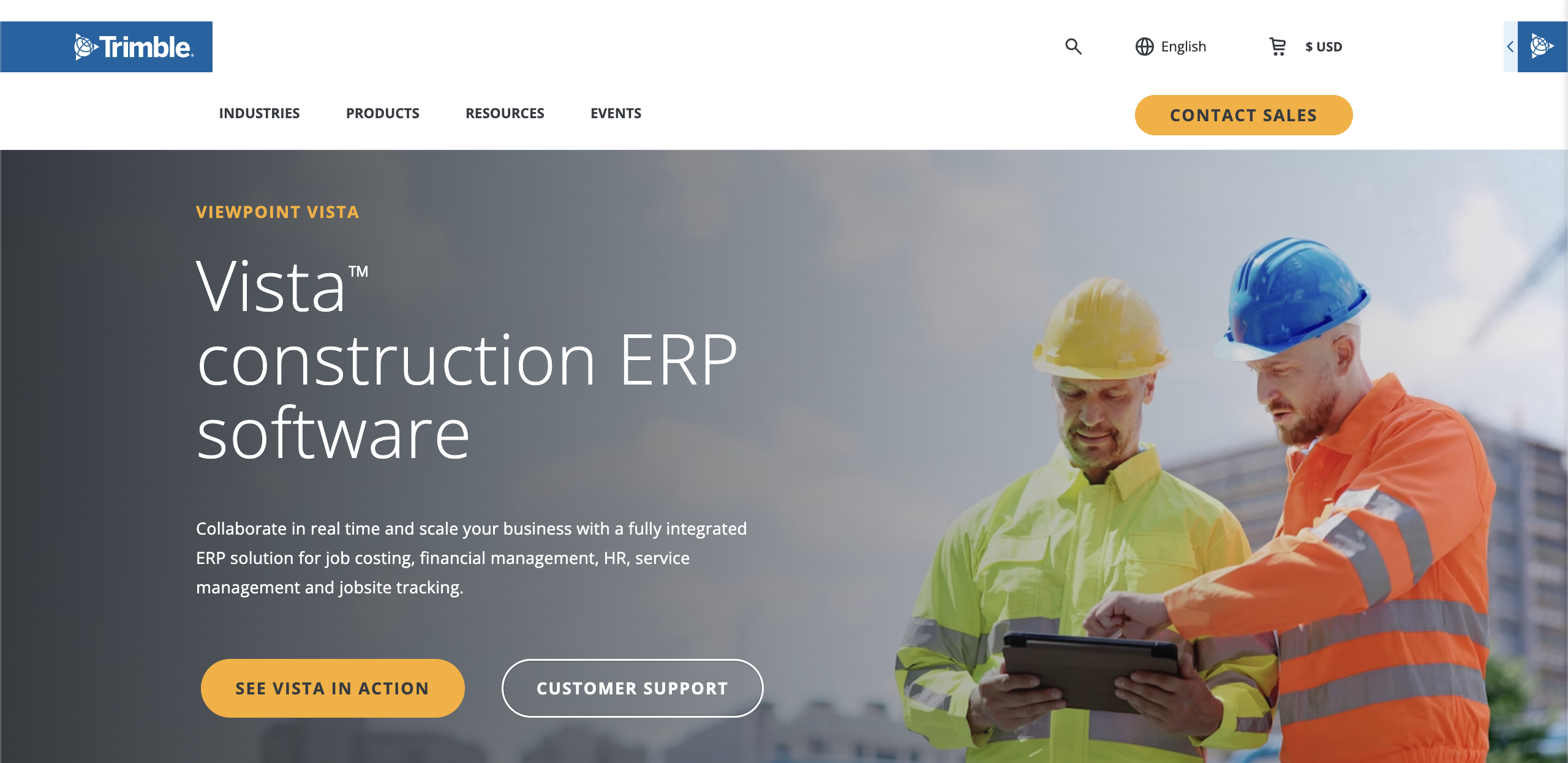
Viewpoint Vista is a familiar construction ERP and accounting platform for contractors that need job costing, payroll, project controls, and construction financial management. Many firms using Vista have mature processes built around construction accounting, compliance, and cost tracking.
Acumatica is often evaluated when contractors want cloud ERP modernization, a more current user experience, mobile access, connected financial-project-field workflows, and flexible user access. The Acumatica vs Viewpoint Vista decision usually depends on whether a contractor wants to preserve a legacy construction accounting environment or move toward a broader cloud platform.
-
Primary Capabilities: Job cost, project accounting, financial management, reporting, field workflows, and construction operations.
-
Rollout Considerations: Contractors should review payroll, union, compliance, reporting, and project data migration needs.
-
Growth Fit: Acumatica can fit contractors needing scalable cloud ERP and cross-functional visibility.
-
Best Match: Viewpoint Vista for established construction accounting, Acumatica for modern cloud construction ERP.
Read next: Build Smarter, Scale Faster: Run Construction on Acumatica ERP
Acumatica vs CMiC
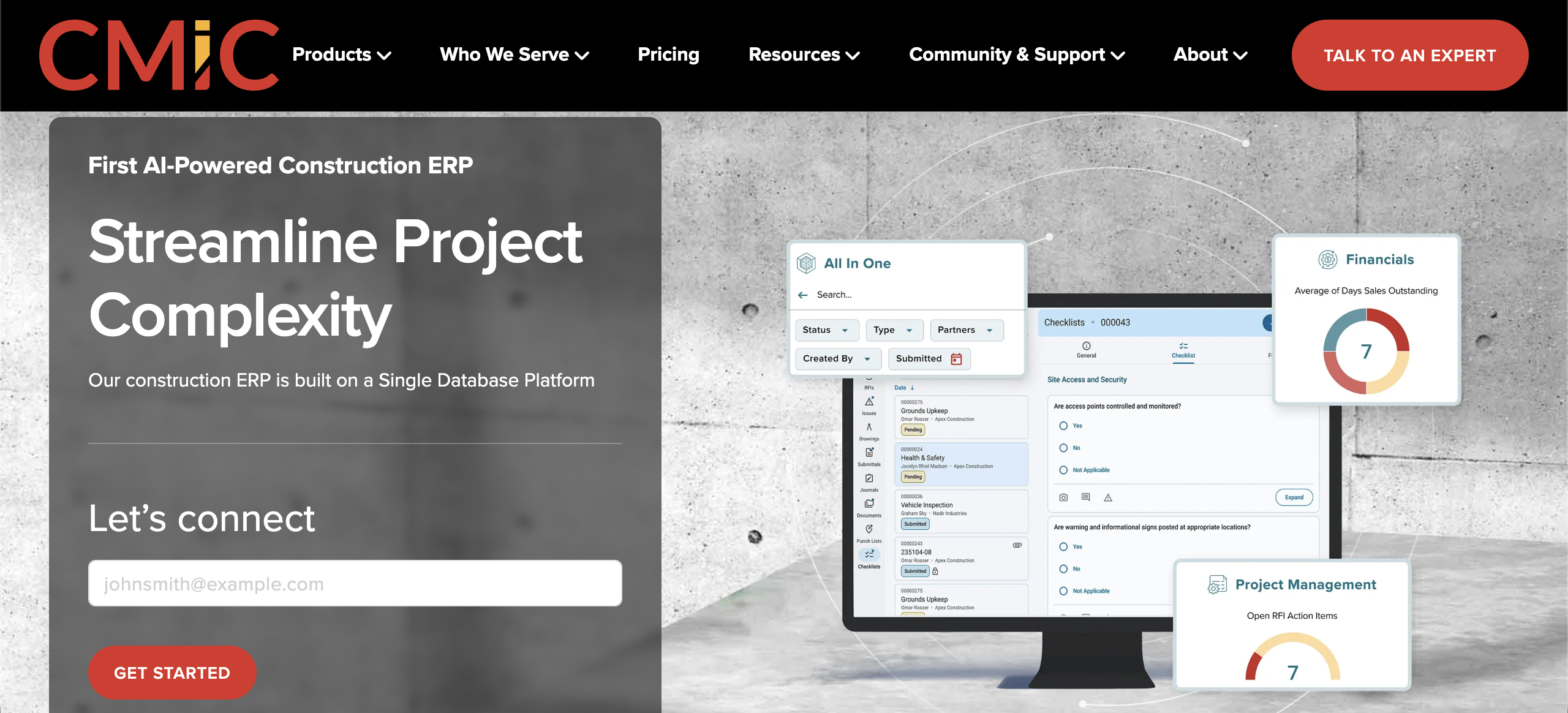
CMiC is a construction-focused ERP platform used by contractors that need project controls, financial management, and construction operations in a unified environment. It can be a fit for larger contractors with complex project structures, financial controls, and operational requirements.
Acumatica often enters the conversation when construction companies want a cloud-based ERP solution with flexible licensing, connected project accounting, mobile-friendly workflows, and broader access across office and field teams. Buyers should compare not only features, but implementation complexity, reporting needs, and how each platform supports their construction workflows.
-
Primary Capabilities: Construction financials, project controls, job cost, workflow, reporting, and operational visibility.
-
Rollout Considerations: CMiC and Acumatica both require clear project structures and disciplined implementation planning.
-
Growth Fit: Acumatica fits contractors needing modern access across finance, project, and field teams.
-
Best Match: CMiC for complex construction controls, Acumatica for flexible cloud construction ERP.
Acumatica vs Sage 300 CRE

Sage 300 CRE is widely known in construction and real estate accounting, especially among companies that have relied on it for job cost, payroll, billing, and financial workflows. For many contractors, it remains deeply embedded in back-office processes and reporting habits.
Acumatica is usually evaluated as a cloud ERP modernization path for contractors that want fewer disconnected tools, better access, more flexible workflows, and real-time reporting. The comparison often centers on whether Sage 300 CRE still supports the company’s growth, or whether Acumatica offers a more scalable path for construction financial management and operations.
-
Primary Capabilities: Construction accounting, job cost, payroll, billing, project accounting, and financial reporting.
-
Rollout Considerations: Migration should address historical job data, payroll details, billing workflows, and reports.
-
Growth Fit: Acumatica fits contractors needing cloud ERP with broader operational and field visibility.
-
Best Match: Sage 300 CRE for legacy accounting continuity, Acumatica for cloud construction modernization.
Read next: 13 Benefits of Cloud ERP for Construction Businesses
Acumatica vs Procore

Procore is construction project management software, not a full ERP replacement. It is often used to manage field collaboration, drawings, RFIs, submittals, project communication, and jobsite documentation. For many contractors, Procore is valuable because it improves project execution and field coordination.
Acumatica serves a different role as a full ERP system that can manage financials, job costing, project accounting, purchasing, inventory, reporting, and company-wide workflows. Some contractors may use Procore and Acumatica together, with Procore supporting project teams and Acumatica supporting financial and operational control.
-
Primary Capabilities: Procore supports project execution, while Acumatica supports ERP, accounting, and operations.
-
Rollout Considerations: Integration strategy matters when Procore and Acumatica are used together.
-
Growth Fit: Acumatica fits contractors needing ERP beyond project collaboration and document control.
-
Best Match: Procore for project management, Acumatica for full construction business management.
Read next: What’s the Best Software for Construction Project Management in 2026?
Acumatica vs Buildertrend
Buildertrend is commonly associated with residential builders, remodelers, and contractors that need project communication, scheduling, customer updates, selections, and job management. It can be a practical tool for managing the front end of residential construction workflows.
Acumatica becomes more relevant when builders need deeper financial management, job cost controls, purchasing, reporting, inventory, multi-entity visibility, or full ERP functionality. The Acumatica vs Buildertrend comparison often comes down to whether the company needs construction project management software or an integrated cloud-based ERP solution.
-
Primary Capabilities: Buildertrend supports residential project management, while Acumatica supports ERP and accounting workflows.
-
Rollout Considerations: Builders should evaluate accounting depth, reporting needs, and operational complexity.
-
Growth Fit: Acumatica fits residential contractors moving beyond lightweight project management and QuickBooks.
-
Best Match: Buildertrend for residential project coordination, Acumatica for scalable construction ERP.
Read next: Time to Replace QuickBooks? Try Acumatica for Construction
Acumatica vs Foundation Software
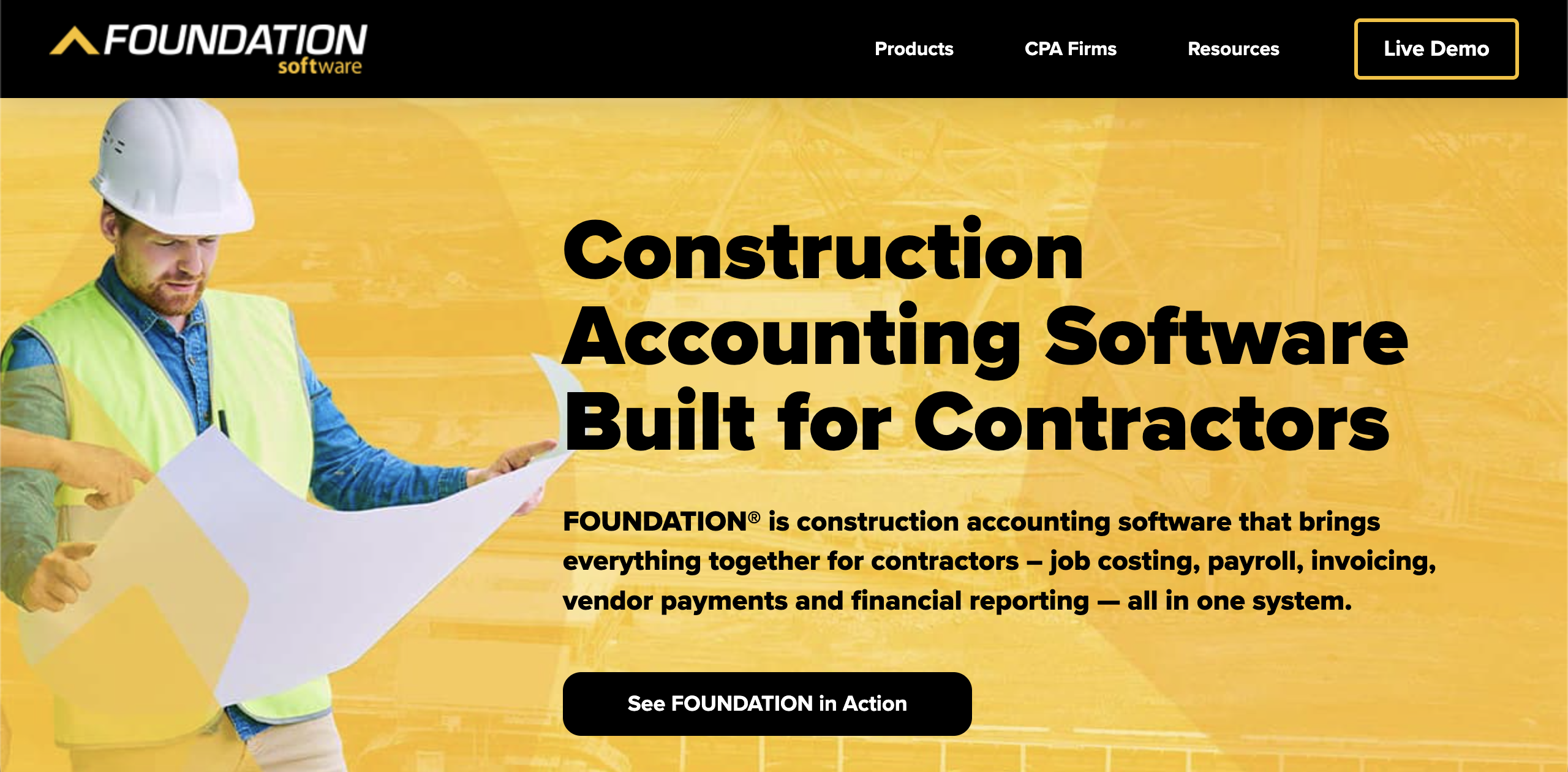
Foundation Software is a construction accounting platform focused on contractors that need job cost accounting, payroll, billing, and construction financial controls. It can be a good fit for companies whose primary need is contractor accounting rather than a broader business management platform.
Acumatica is often considered when contractors need to extend beyond accounting into cloud ERP, project accounting, inventory, purchasing, workflow automation, analytics, and cross-functional visibility. The right choice depends on whether accounting depth alone is enough or whether the business needs a more comprehensive ERP solution.
-
Primary Capabilities: Foundation emphasizes construction accounting, while Acumatica adds broader ERP and operational workflow.
-
Rollout Considerations: Contractors should compare payroll, job costing, reporting, integrations, and implementation scope.
-
Growth Fit: Acumatica fits contractors seeking a cloud platform that can scale beyond accounting.
-
Best Match: Foundation for contractor accounting, Acumatica for broader construction ERP modernization.
Manufacturing and Distribution ERP Platforms Compared With Acumatica
Manufacturers and distributors replacing legacy systems or evaluating cloud-native platforms typically compare production planning depth, inventory management capabilities, warehouse automation, and supply chain visibility. The decision often hinges on licensing model, deployment flexibility, industry-specific functionality, and total cost of ownership.
Acumatica vs NetSuite for Manufacturing
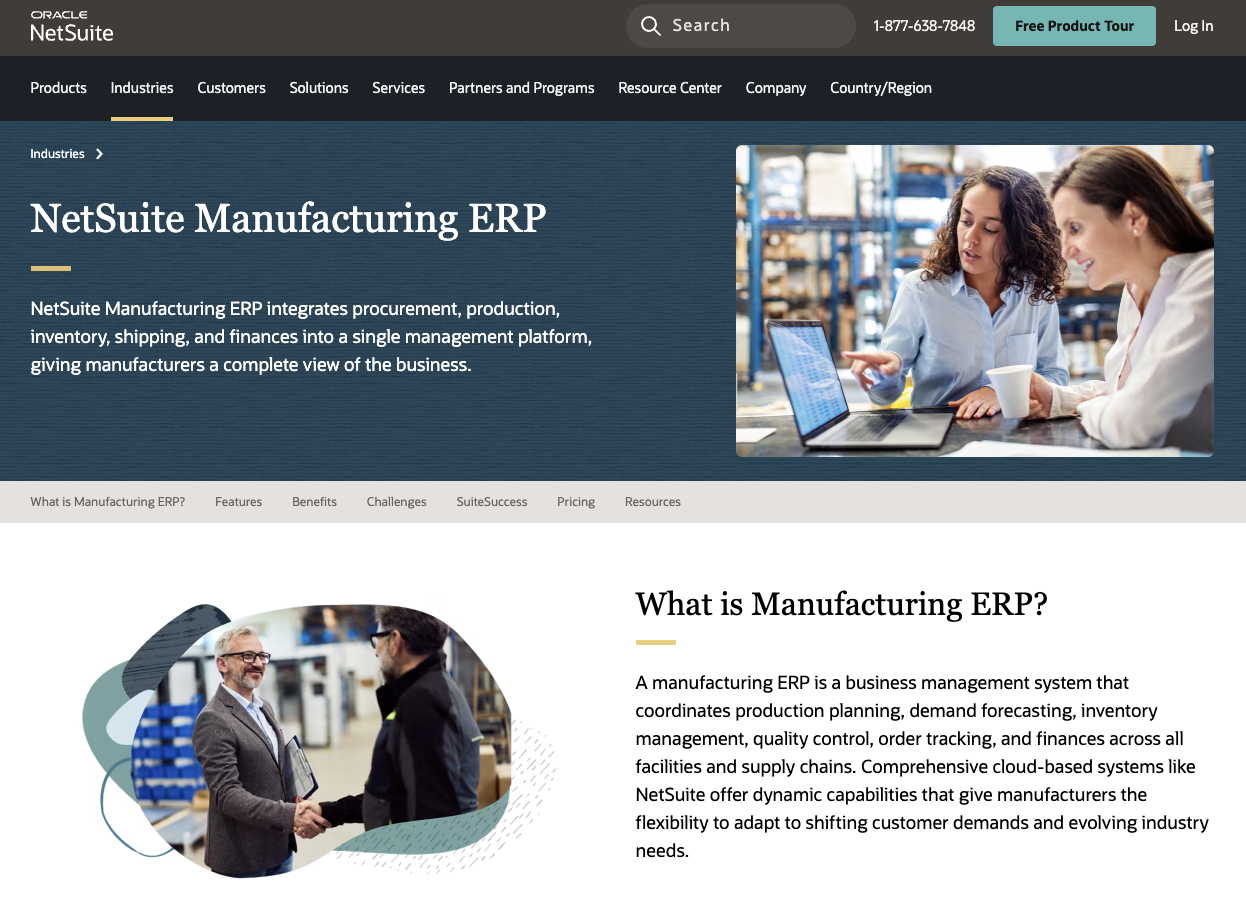
NetSuite for manufacturing is often evaluated by companies that need production planning, inventory, purchasing, order management, financial management, and analytics in a cloud ERP environment. NetSuite offers a broad platform that can support multi-location and multi-entity operations, especially for companies already considering Oracle NetSuite.
Acumatica offers manufacturing capabilities within a flexible cloud ERP model, including access for more users without traditional per-user pricing. For manufacturers comparing Acumatica vs NetSuite, important decision points include bill of materials needs, production complexity, warehouse processes, reporting expectations, implementation partner expertise, and cost of ownership.
-
Primary Capabilities: Manufacturing, inventory, purchasing, financials, reporting, production workflows, and operational visibility.
-
Rollout Considerations: Manufacturing rollouts require careful planning around items, BOMs, routings, and costing.
-
Growth Fit: Both can support mid-sized manufacturers, depending on complexity and process maturity.
-
Best Match: NetSuite for Oracle cloud ERP standardization, Acumatica for flexible manufacturing ERP access.
Read next: Maximize Efficiency & Reduce Costs in NetSuite for Manufacturers
Acumatica vs NetSuite for Distribution
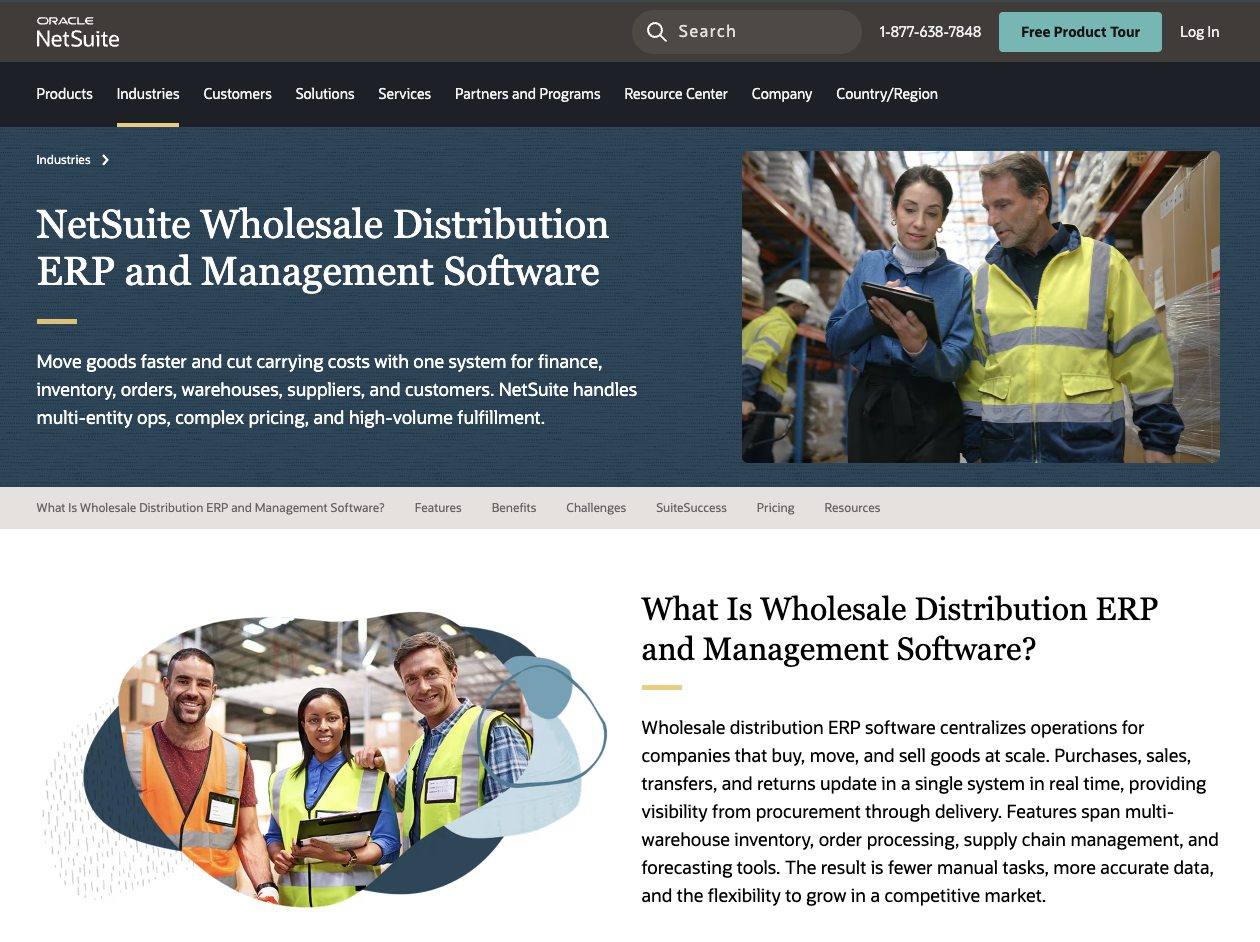
NetSuite for distribution is commonly considered by wholesalers and distributors that need inventory management, purchasing, sales order management, fulfillment, warehouse visibility, financials, and analytics. NetSuite provides a cloud ERP foundation that can support companies moving away from QuickBooks, Fishbowl, spreadsheets, or fragmented warehouse tools.
Acumatica is also a strong distribution ERP contender when companies want flexible user access, real-time visibility, connected financials, and operational workflow across purchasing, inventory, warehouse, and customer-facing teams. The comparison should focus on order volume, warehouse complexity, integrations, pricing model, and implementation approach.
-
Primary Capabilities: Inventory, purchasing, order management, fulfillment, warehouse workflows, financials, and analytics.
-
Rollout Considerations: Distributors should map inventory data, warehouse processes, integrations, and reporting requirements early.
-
Growth Fit: Acumatica fits distributors that need scalable access across sales, warehouse, and finance.
-
Best Match: NetSuite for mature cloud ERP distribution, Acumatica for flexible cloud distribution management.
Acumatica vs Infor
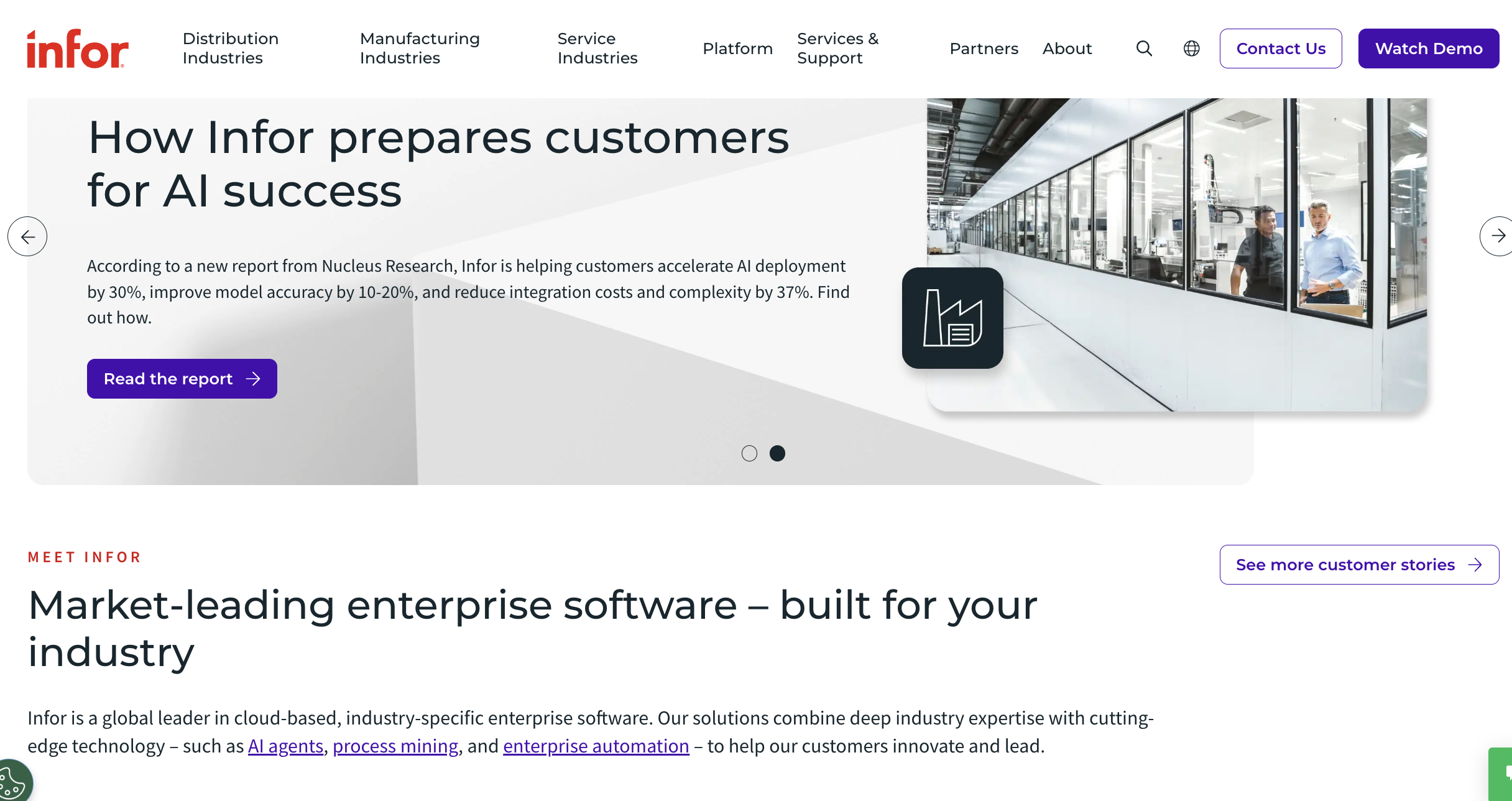
Infor offers ERP systems with strength in manufacturing, distribution, supply chain management, and industry-specific operational processes. It may appeal to companies that need deep industry functionality, complex production support, warehouse management, or specialized workflows.
Acumatica often competes when companies want a more flexible cloud ERP experience, modern usability, resource-based licensing, and connected financial and operational workflows. Infor may fit specialized enterprise or industry environments, while Acumatica can appeal to mid-sized organizations seeking a scalable, cloud-native ERP with practical deployment flexibility.
-
Primary Capabilities: Manufacturing, distribution, supply chain management, financials, warehouse, and industry workflows.
-
Rollout Considerations: Infor evaluations should consider product fit, implementation scope, integrations, and complexity.
-
Growth Fit: Acumatica may fit mid-sized companies seeking flexibility without overcomplicating operations.
-
Best Match: Infor for deep industry specialization, Acumatica for flexible cloud ERP growth.
Read next: Supply Chain Management: An Overview Guide
Acumatica vs Microsoft Dynamics 365 Business Central
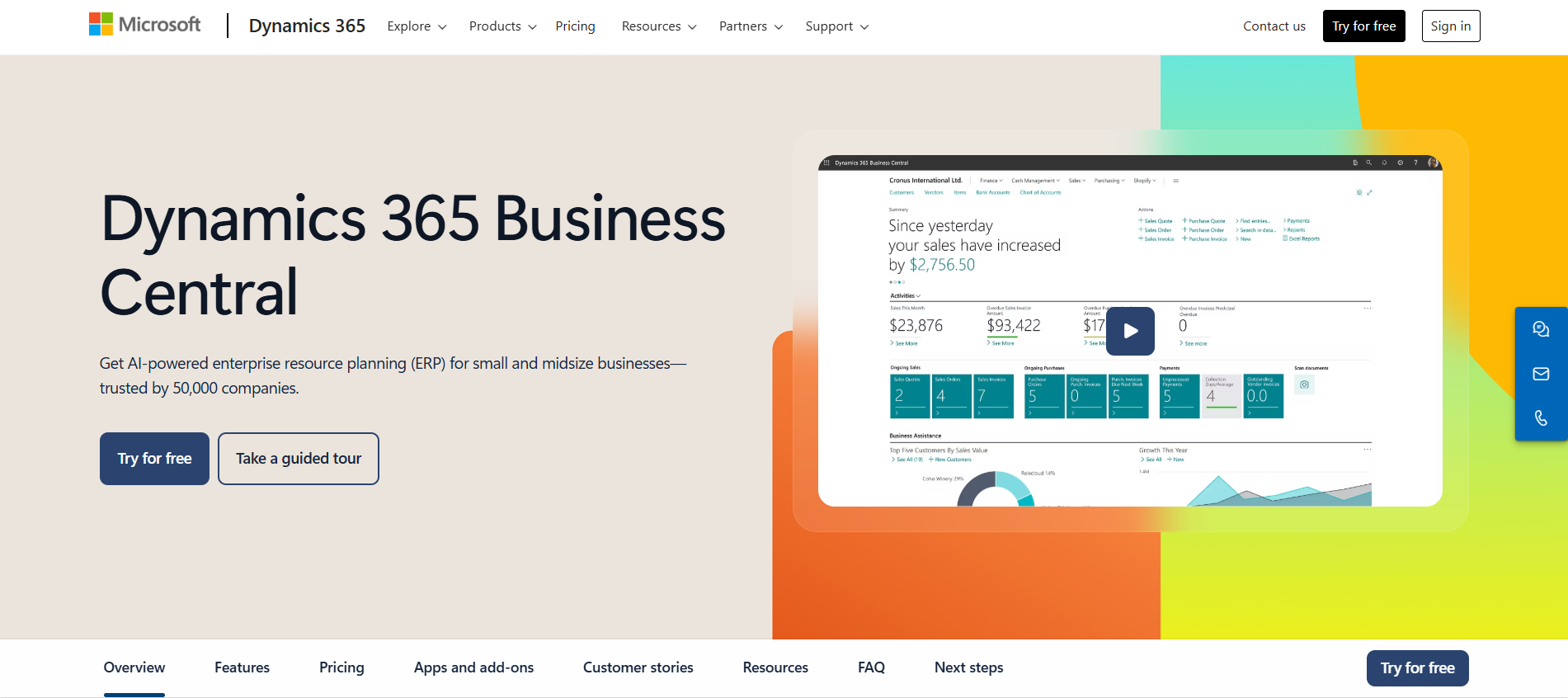
Dynamics 365 Business Central is Microsoft’s cloud-based ERP solution for small and mid-sized businesses. It often appeals to organizations already using Office 365, Microsoft tools, Power BI, and the broader Microsoft ecosystem. Dynamics 365 appeals to organizations that want familiar Microsoft interfaces and integration with Microsoft productivity tools.
Acumatica is often compared with Dynamics 365 Business Central when companies need flexible deployment, unlimited users, industry editions, and strong operational workflows for construction, distribution, manufacturing, or field service. Business Central may fit companies that want a familiar Microsoft environment, while Acumatica may fit companies prioritizing flexible access and industry-specific ERP depth.
-
Primary Capabilities: Financials, purchasing, inventory, sales, reporting, Microsoft tools, and operational workflows.
-
Rollout Considerations: Buyers should assess Microsoft partner fit, customization needs, and industry requirements.
-
Growth Fit: Acumatica may fit companies needing broader industry depth and flexible user access.
-
Best Match: Business Central for Microsoft-centric SMBs, Acumatica for flexible industry cloud ERP.
Acumatica vs SAP for Manufacturing and Distribution
SAP is often evaluated by manufacturers and distributors with complex supply chains, global operations, strict controls, or enterprise-grade process requirements. SAP can be a strong fit when companies need deep standardization, global ERP governance, and extensive operational control across business units.
Acumatica may be a better fit for mid-sized manufacturers and distributors that want cloud-based ERP, faster access for more users, flexible deployment options, and a more practical implementation profile. SAP may be the right ERP system for global complexity, while Acumatica often fits companies seeking scalable ERP functionality without unnecessary enterprise overhead.
-
Primary Capabilities: Enterprise manufacturing, distribution, financials, supply chain, governance, analytics, and global operations.
-
Rollout Considerations: SAP projects often require significant process design, governance, budget, and change management.
-
Growth Fit: Acumatica fits mid-sized companies needing scalable operations without heavy enterprise complexity.
-
Best Match: SAP for global enterprise operations, Acumatica for flexible mid-market manufacturing and distribution.
How to Choose the Right Acumatica Alternative or ERP Competitor
Selecting the right ERP system requires evaluating whether a platform aligns with operational complexity, industry requirements, growth trajectory, and budget. Buyers comparing Acumatica with other ERP systems should assess several decision factors before committing to demos or implementation planning.
Accounting software, project management software, inventory tools, construction accounting platforms, and full ERP systems solve different problems. A company replacing QuickBooks may need financial management and inventory. A contractor replacing Procore may actually need ERP integration, not a project management replacement. A manufacturer replacing legacy ERP may need production planning, warehouse controls, and supply chain management.
Buyers should evaluate each platform against practical selection criteria, not just feature lists. Look at industry requirements, reporting needs, migration scope, integration complexity, licensing model, implementation partner fit, customization needs, third-party ecosystem, deployment preferences, and post-go-live support. The right ERP system should streamline workflows, improve real-time visibility, reduce manual work, and support the company’s growth path.
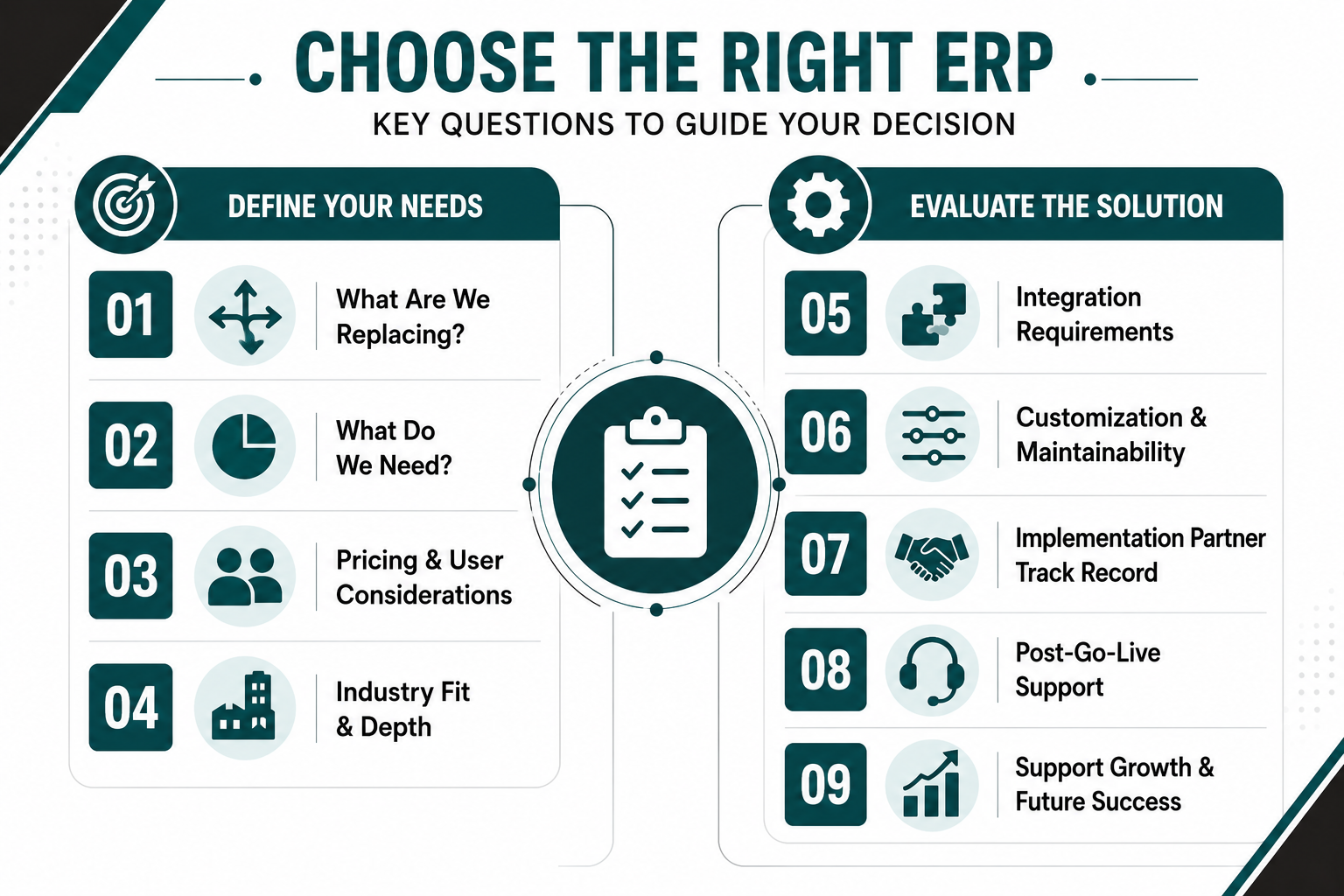
Use these questions to narrow the shortlist:
-
Are we replacing accounting software, project software, legacy ERP, or disconnected tools?
-
Do we need financial management only, or full ERP across operations?
-
How important are unlimited users, subscription pricing, or consumption-based pricing?
-
Do we need construction, manufacturing, distribution, or professional services depth?
-
What integrations are required with Microsoft tools, e-commerce, payroll, CRM, or warehouse systems?
-
How much customization is needed, and who will maintain it after go-live?
-
Which ERP implementation partner has a proven track record in our industry?
-
What level of support will we need after deployment?
Read Next: How to Choose the Right ERP for Your Business: A Step-by-Step-Guide
Why Protelo Stands Out as a Cloud ERP Provider
Choosing between Acumatica and another ERP should come down to how well each system supports the way your business actually runs. A platform may look strong in a demo, but the real test is whether it can connect finance, operations, projects, inventory, reporting, and field activity without forcing teams back into spreadsheets or side systems. For growing companies, the best ERP is the one that gives leadership better control while making daily work easier for the people using it.
-
Map the Gaps First: Identify where your current accounting, project, inventory, or legacy ERP tools create delays, duplicate work, or reporting blind spots.
-
Test Industry Depth: Compare how each platform handles construction, manufacturing, distribution, or service-specific workflows before focusing on general features.
-
Validate the Rollout Plan: Review migration scope, integration needs, user training, partner experience, and support expectations before making the final decision.
At Protelo, we specialize in empowering businesses to maximize the potential of Acumatica ERP. With a proven track record of delivering customized ERP solutions, we serve a diverse range of industries. Whether you're a small business or a growing mid-market enterprise, our team is dedicated to crafting ERP strategies that meet your specific goals and challenges.
As an Acumatica Gold Partner, Protelo holds one of the highest distinctions within the Acumatica ecosystem—a recognition reserved for partners who demonstrate exceptional expertise, successful implementations, and a strong focus on customer satisfaction.
With over 15 years of experience, our Acumatica-certified professionals have a deep understanding of industries such as wholesale distribution, manufacturing, and professional services. From initial planning to seamless implementation and ongoing support, we guide you every step of the way.
Schedule a demo today to see the difference for yourself!
FAQs
What is the main difference between Acumatica and NetSuite?
Acumatica uses resource-based pricing with unlimited users, while NetSuite charges per user. Both are cloud-native ERPs with similar functionality, but Acumatica typically costs less for large teams and offers stronger construction capabilities, while NetSuite provides deeper native ecommerce.
Can Acumatica replace QuickBooks for growing businesses?
Yes. Acumatica provides full ERP functionality, including multi-entity consolidation, project accounting, inventory management, CRM, and unlimited user access. QuickBooks lacks these capabilities and cannot scale beyond small business needs, making Acumatica a common upgrade path for growing companies.
Is Acumatica better than Sage Intacct for construction companies?
Acumatica offers deeper construction-specific functionality, including job costing, project accounting, change order management, AIA billing, and field operations. Sage Intacct focuses primarily on financial management and requires third-party integrations for construction workflows, making Acumatica a stronger fit for contractors.
How does Acumatica compare to Viewpoint Vista or Sage 300 CRE?
Acumatica provides cloud-native architecture, mobile access, and unlimited user licensing, while Viewpoint Vista and Sage 300 CRE are legacy on-premise systems requiring servers, IT maintenance, and manual upgrades. Acumatica also integrates with modern construction tools like Procore and Buildertrend.
Can Acumatica handle manufacturing and distribution operations?
Yes. Acumatica Manufacturing Edition provides production planning, BOM management, work orders, MRP, and shop floor control. Acumatica Distribution Edition includes inventory management, warehouse management, order fulfillment, and shipping integration. Both editions support unlimited users and cloud-native architecture.
Should I use Procore with Acumatica or replace Procore with Acumatica?
Procore is a project management platform, not a full ERP. Many contractors use Procore alongside Acumatica, syncing project data between the two systems. Acumatica provides full business ERP with financials, job costing, and compliance, while Procore handles project collaboration and field operations.